

Websites that simply work: Dieter Rams’ approach
Before digital products, apps, and websites existed, Dieter Rams was already shaping how we understand good design.
Rams worked primarily as an industrial designer at Braun, where he designed everyday products such as radios, speakers, record players, and household electronics. These products were never meant to impress visually. They were meant to fit naturally into people’s lives and work without explanation.
At a time when many products were becoming flashy and decorative, Rams chose the opposite approach. He removed what was unnecessary and focused on clarity, function, and longevity. His work avoided trends and aimed for simplicity that could last decades.
To explain this thinking, Rams defined his ten principles of good design. Although written for physical products, these principles apply directly to web design today where clarity, speed, and usability matter more than visual novelty.
01
Good design is innovative
Innovation in design is not about novelty. It is about improving how something works. In web design, innovation often means making things simpler, faster, or clearer instead of more complex
Example
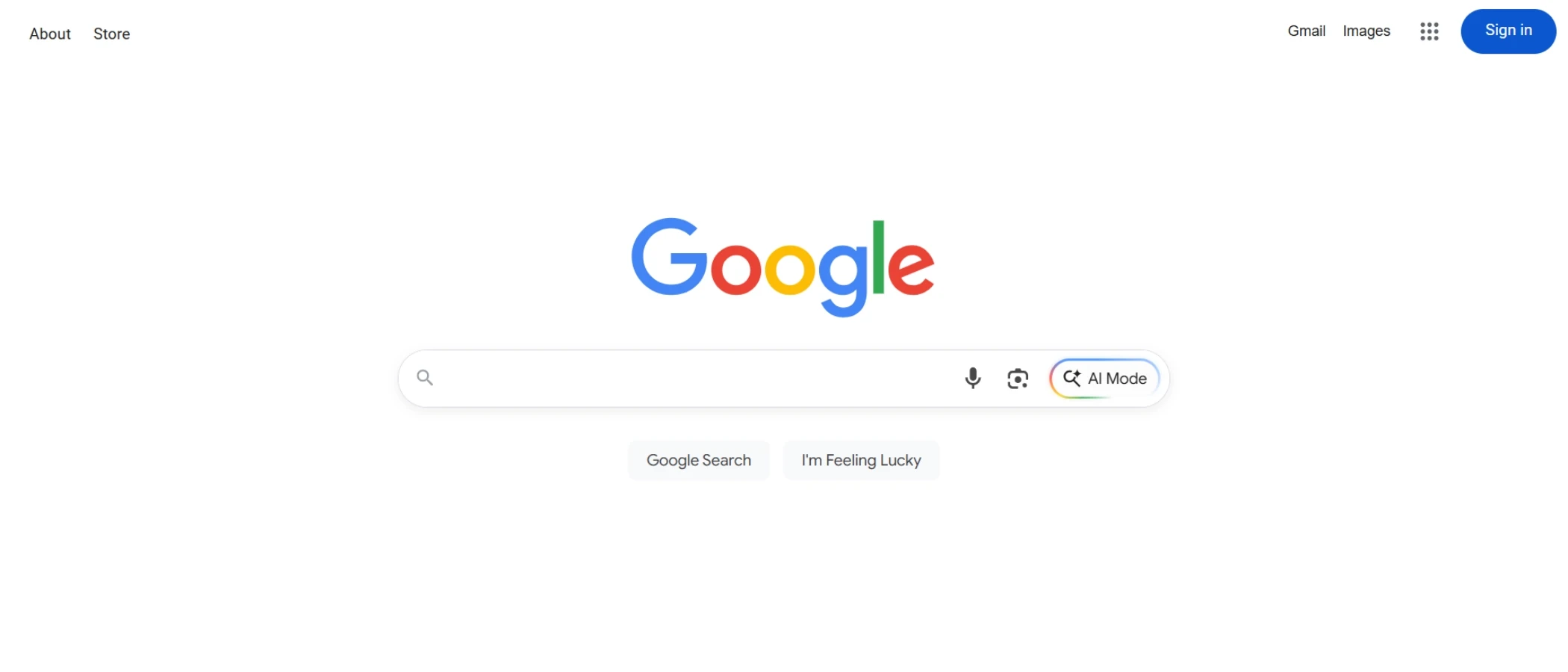
The Google search homepage has barely changed in years. The innovation lies in removing everything unnecessary so users can focus on one task without distraction.
02
Good design is useful
A website is a tool. If it does not help users achieve something, it has failed. Usefulness in web design means guiding users clearly toward information or action.
Example:
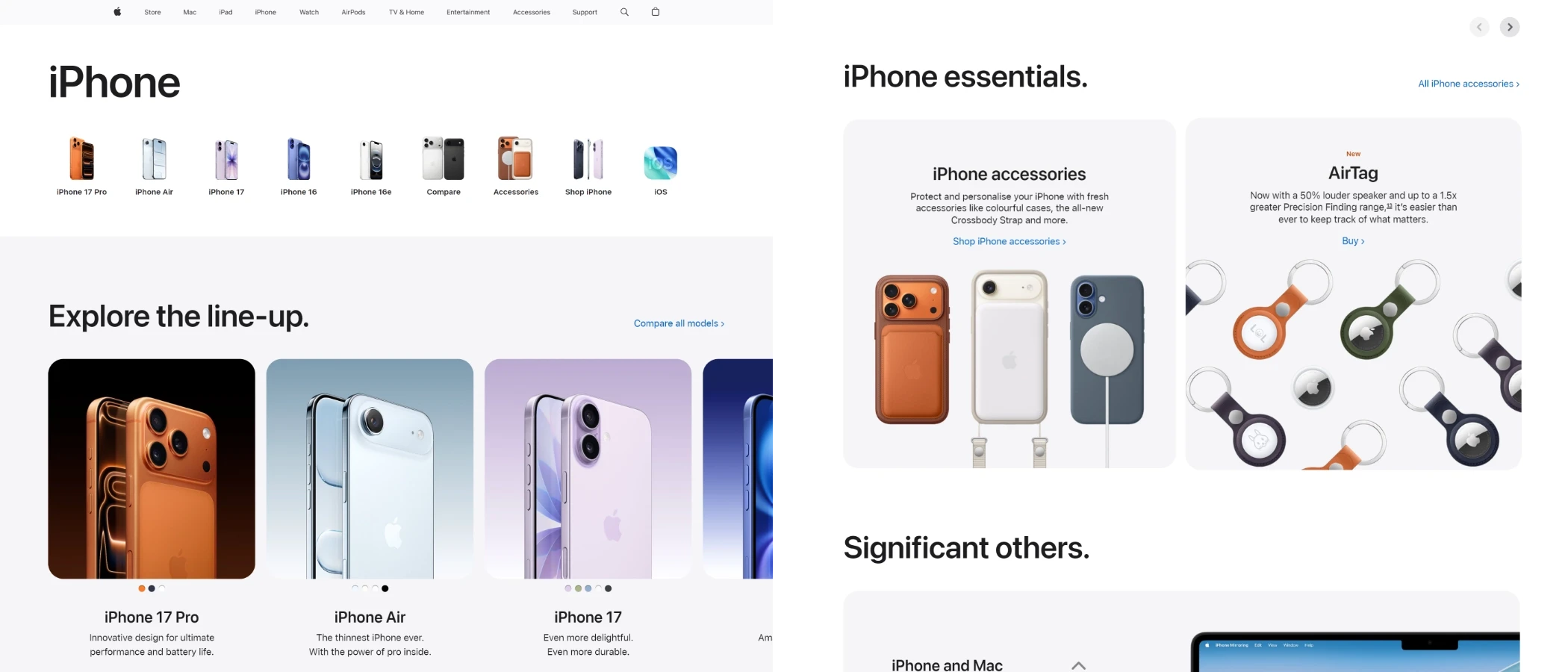
The Apple website makes it immediately clear what each product is, who it is for, and what to do next. Buying, comparing, or learning more is always obvious.
03
Good design is aesthetic
Rams believed aesthetic quality matters because it affects how people feel when using a product. In web design, beauty should come from clarity and balance, not decoration.
Example
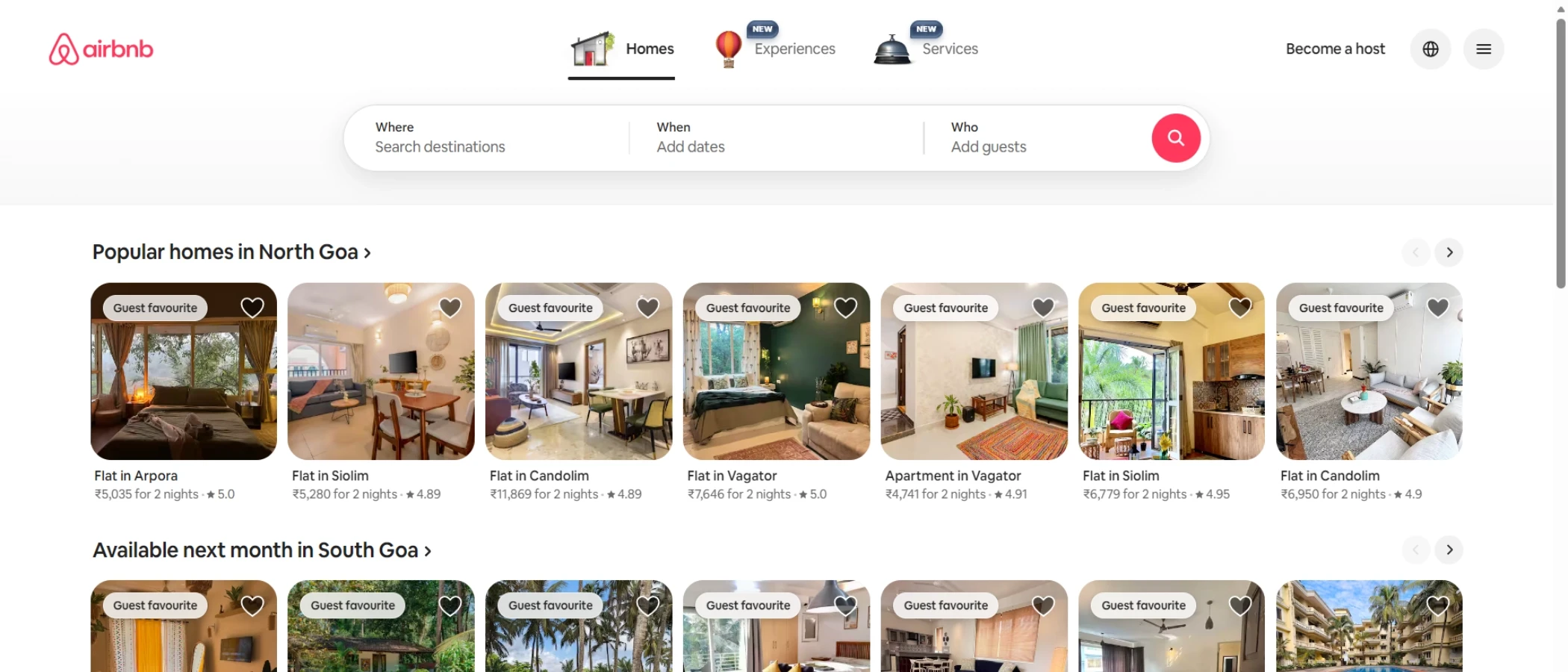
The Airbnb website feels welcoming and calm. The visuals support trust and comfort without overwhelming the user.
04
Good design makes a product explain itself
A website should explain itself. Users should never wonder how to navigate or what something does.
Example
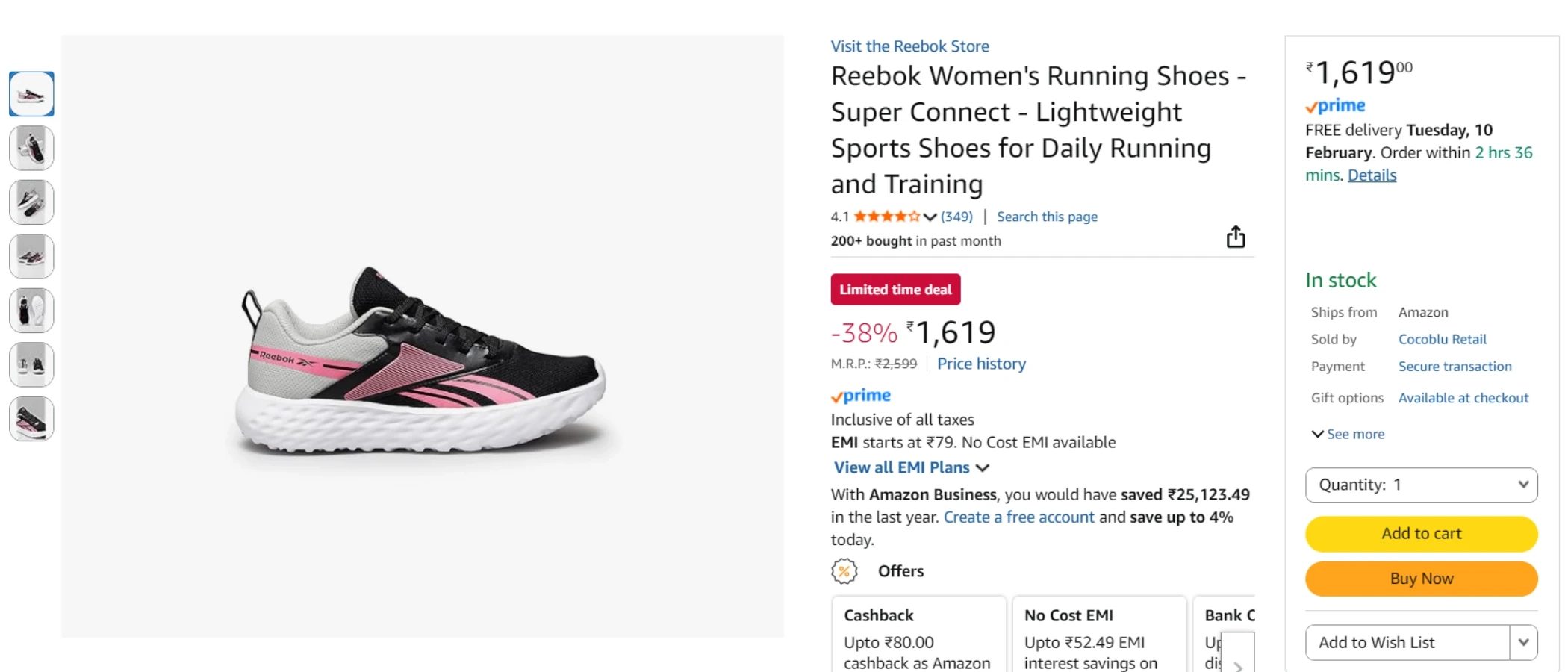
The Amazon website follows patterns users already understand. Search, cart, checkout, and order tracking behave exactly as expected.
05
Good design is unobtrusive
Design should not dominate the experience. In web design, this means content comes first and visuals stay supportive.
Example
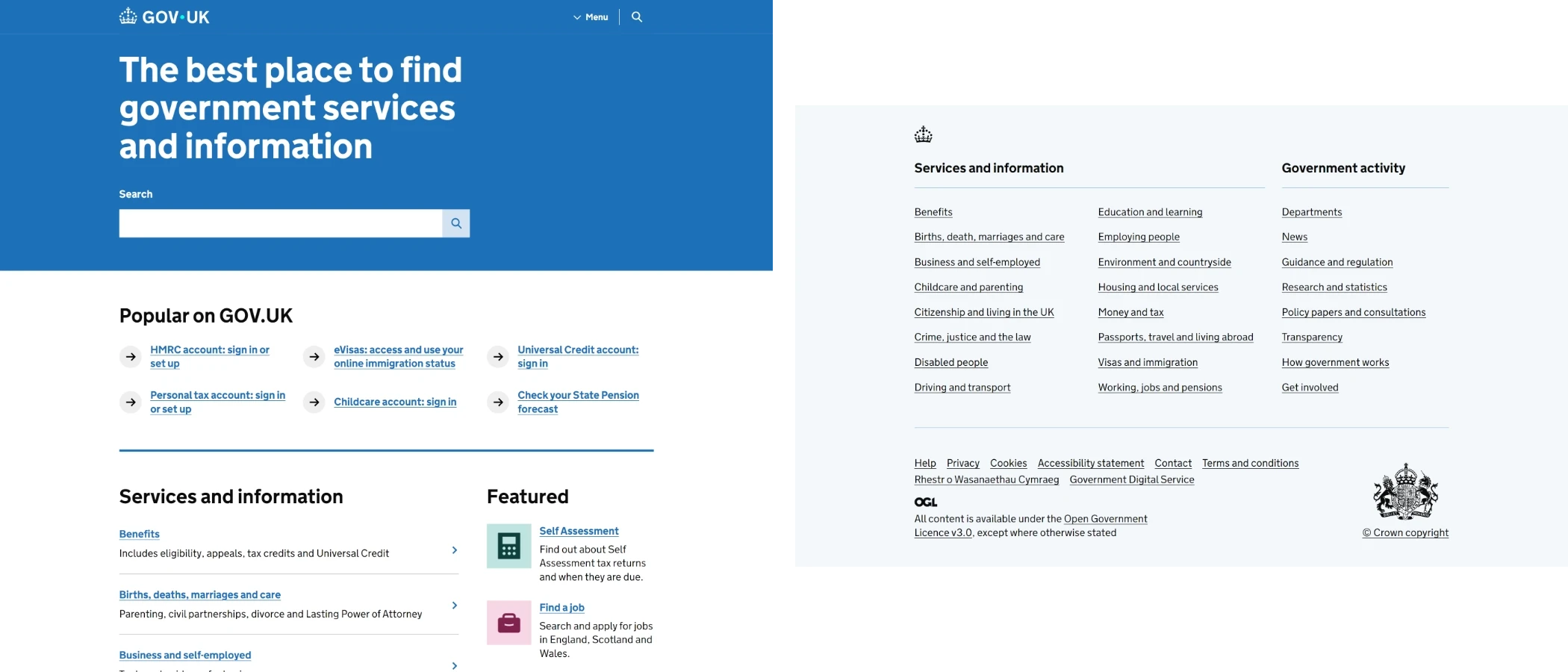
The Gov.uk website strips design down to essentials. Typography, spacing, and layout focus entirely on clarity and accessibility.
06
Good design is honest
Design should not manipulate or exaggerate. Websites should present products and services as they truly are.
Example
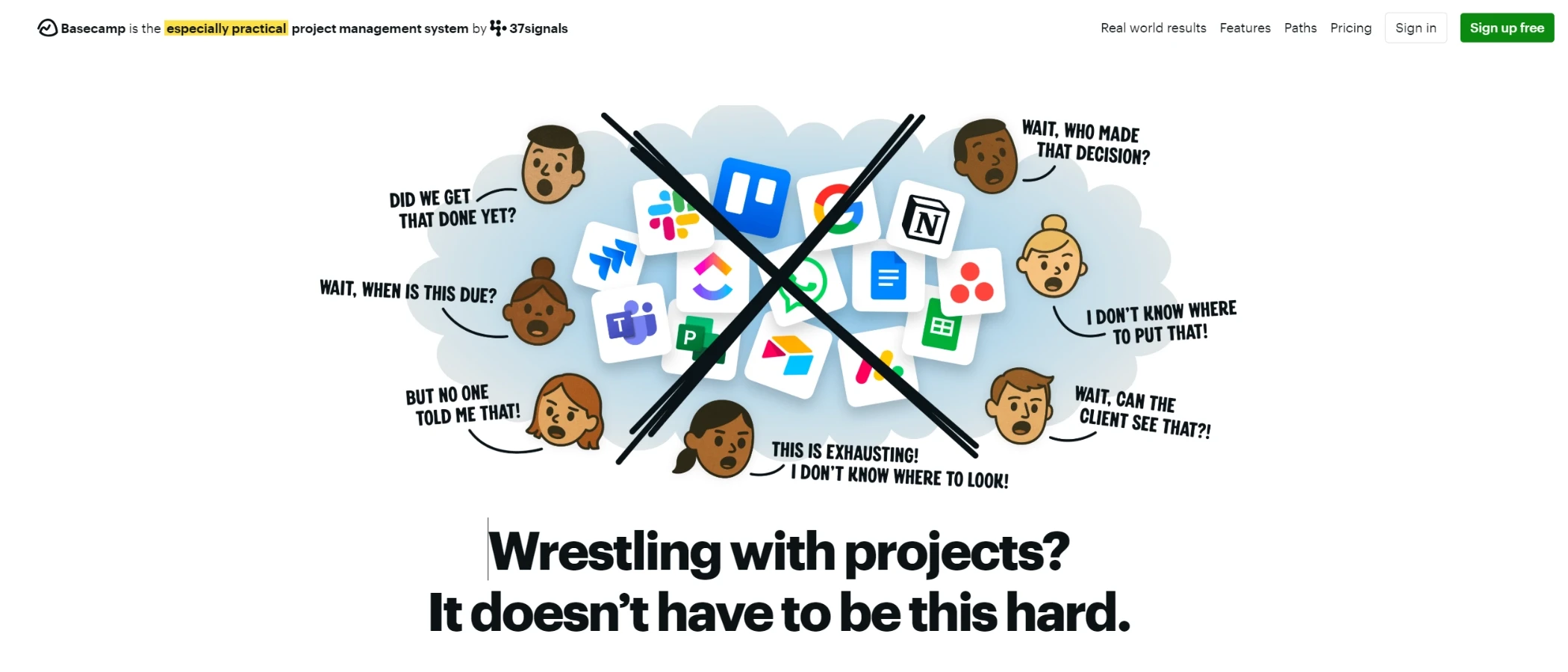
The Basecamp website speaks plainly about what the product does and who it is for. The design matches the simplicity of the message.
07
Good design is long lasting
Design should avoid trends that age quickly. Websites built on structure and usability remain effective longer.
Example
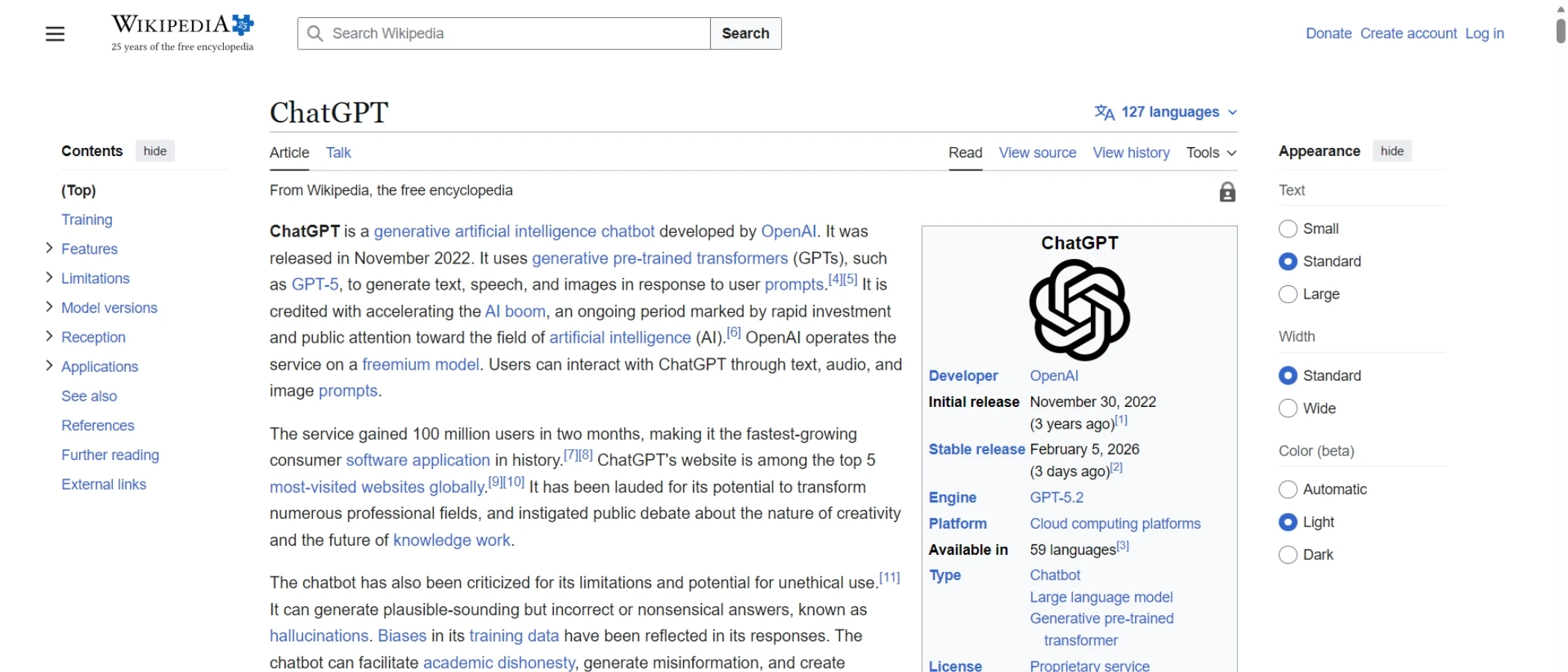
The Wikipedia interface has changed very little over time. Its clarity and focus on content keep it relevant year after year.
08
Good design is thorough down to the last detail
Every detail matters because details shape trust. In web design, this includes spacing, states, feedback, and error handling
Example
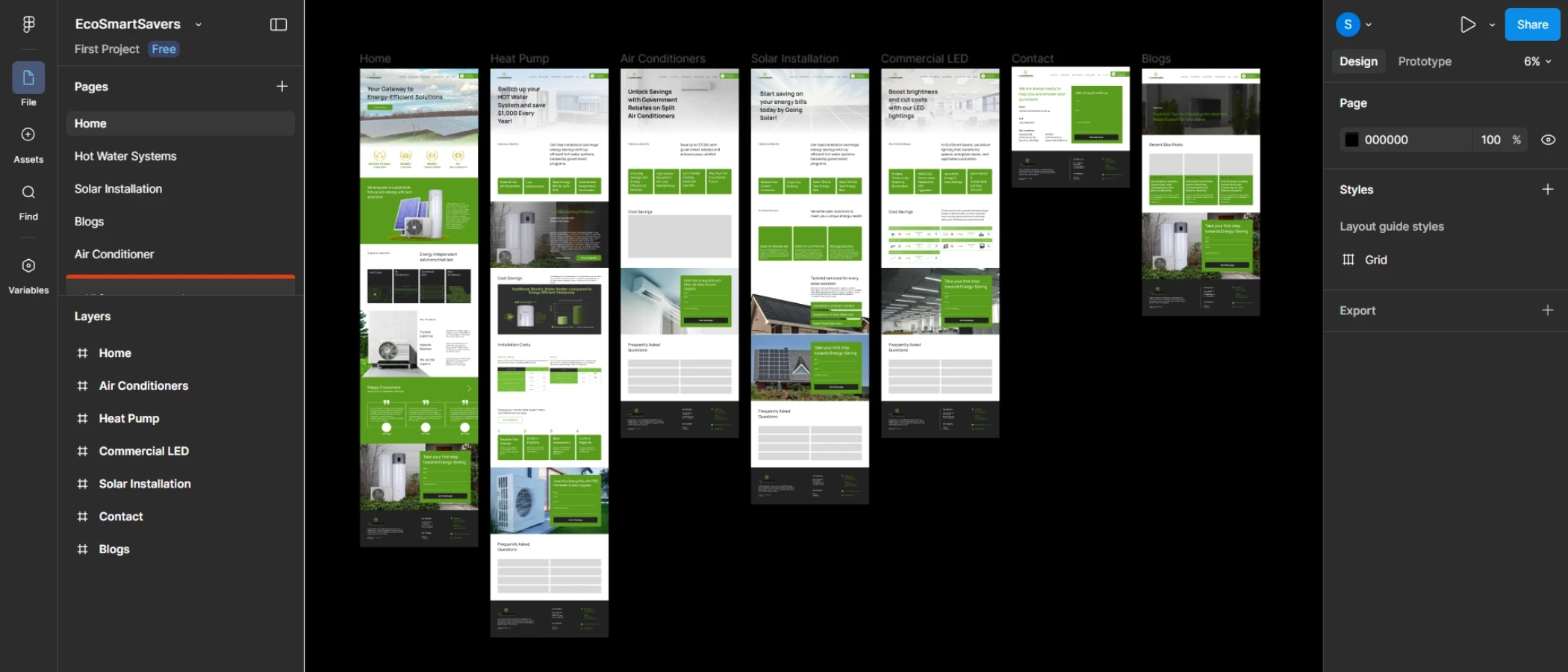
Figma shows how attention to small details improves usability. Spacing, alignment, and selection states are always clear, and feedback is immediate. Even complex actions feel predictable because nothing is left to chance. This consistency builds trust and makes the tool feel reliable.
09
Good design is as little design as possible
Less is not empty. Less is intentional. In web design, this means removing anything that does not serve a clear purpose.
Example
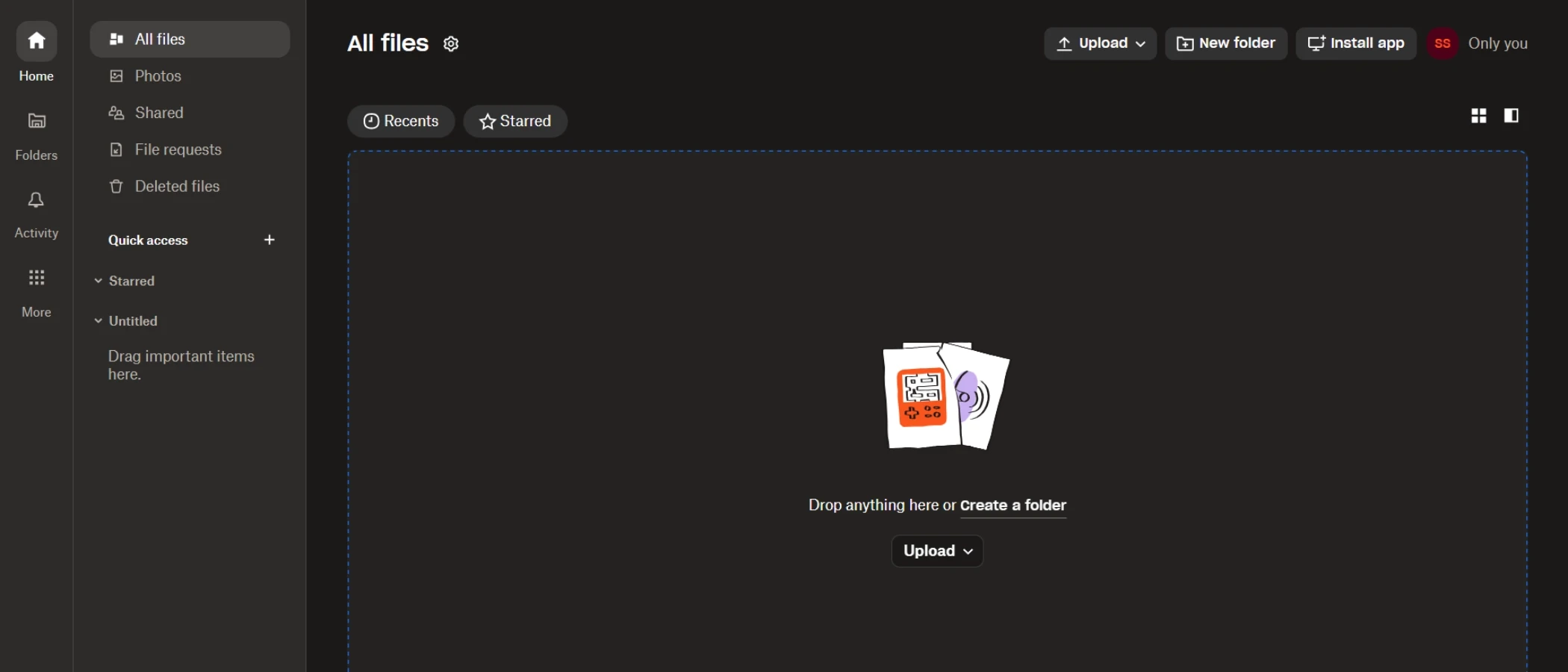
The Dropbox homepage focuses on one core message and one primary action. Nothing competes for attention.
Closing thought
Good web design is not about standing out. It is about working quietly and consistently.
Dieter Rams showed that when design focuses on function first, it naturally becomes timeless. Websites that follow Dieter Rams’ principles feel calm, clear, and dependable. They work without explanation and respect the user’s time. They do not try to impress visually. They try to function properly.